
Marine Refrigeration Compressor: Key Features and Benefits Explained
By:Admin
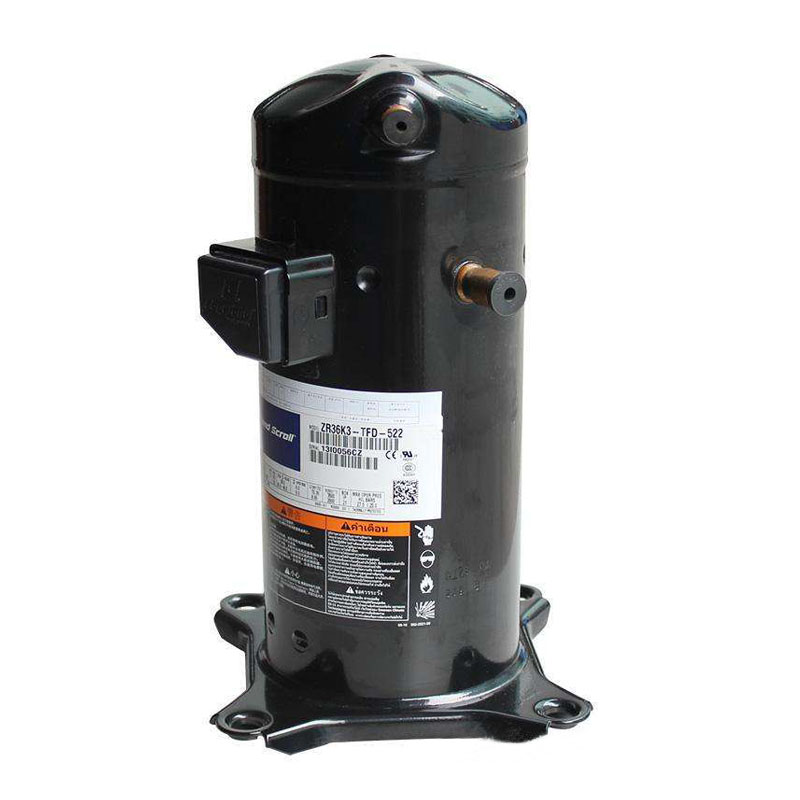
In recent developments within the maritime industry, a breakthrough in refrigeration technology promises to elevate the standards of onboard cooling systems significantly. The newly introduced marine refrigeration compressor, designed specifically for marine applications, represents a leap forward in efficiency, reliability, and environmental sustainability.
Marine vessels require specialized refrigeration equipment due to the unique challenges posed by maritime environments — such as constant vibration, saltwater exposure, and fluctuating temperatures. Traditional refrigeration compressors often struggle with these conditions, resulting in frequent maintenance, higher operational costs, and increased risk of cargo spoilage.
The latest marine refrigeration compressor effectively addresses these challenges through advanced engineering and robust materials tailored for the harsh marine environment. This state-of-the-art compressor integrates cutting-edge technology to optimize cooling performance while reducing energy consumption, thereby supporting sustainable shipping practices.
**Key Features and Benefits**
1. **Enhanced Durability and Reliability**
Marine refrigeration systems must operate continuously in tough conditions. The new compressor features reinforced components made from corrosion-resistant alloys and incorporates vibration-dampening technology. This ensures longer service life and fewer breakdowns, reducing downtime and maintenance expenses.
2. **Energy Efficiency and Environmental Compliance**
Shipping companies are increasingly under pressure to reduce fuel consumption and greenhouse gas emissions. By utilizing a highly efficient motor and compressor design, this marine refrigeration compressor consumes significantly less power compared to conventional models. Additionally, it is compatible with environmentally friendly refrigerants that meet the latest international maritime regulations.
3. **Optimal Performance Under Variable Loads**
Marine refrigeration demands fluctuate based on factors like cargo type, ship size, and external temperatures. The compressor's advanced control system allows it to adjust capacity dynamically, maintaining optimal temperatures without wasting energy. This intelligent modulation improves cargo preservation and reduces overall energy expenditure.
4. **Ease of Installation and Maintenance**
Recognizing the operational realities onboard vessels, the compressor is engineered for straightforward installation and maintenance. Modular design elements and accessible service points enable ship technicians to perform routine checks without specialized tools, minimizing downtime during voyages.
**Supporting Sustainable Shipping Initiatives**
Environmental sustainability is a paramount concern within the global maritime sector, driven by stricter regulations from bodies such as the International Maritime Organization (IMO). Technologies that reduce fuel consumption and minimize harmful emissions are critical to achieving these objectives.
This marine refrigeration compressor directly contributes to greener shipping by lowering electrical load demands and enabling the use of eco-friendly refrigerants with low global warming potential (GWP). Consequently, vessel operators can reduce their carbon footprint and comply with emerging emission standards without compromising refrigeration quality.
**About the Manufacturer**
The company behind this innovation holds a longstanding reputation for excellence in marine engineering and refrigeration technology. With decades of experience serving shipbuilders, shipping companies, and offshore installations, they have continually pushed the boundaries of product development to meet evolving industry needs.
Their commitment to quality, reliability, and customer-focused solutions has established them as a trusted partner in maritime refrigeration. By investing heavily in research and development, they have maintained a competitive edge, delivering products that harmonize advanced technology with practical usability.
Beyond shipping, their portfolio extends to industrial refrigeration systems, catering to food storage, chemical processing, and HVAC sectors worldwide. Such breadth of expertise enables cross-sector knowledge transfer, fostering innovative solutions that benefit marine applications.
**Industry Impact and Future Outlook**
The introduction of this marine refrigeration compressor signals a significant advancement in maritime cooling technology. Shipping companies adopting this system can expect reduced operational costs through lower energy consumption and decreased maintenance needs. Improved cargo integrity will also enhance customer satisfaction across cold chain logistics.
Moreover, the technology aligns neatly with global maritime decarbonization efforts, supporting greener shipping operations without sacrificing performance or reliability. As maritime traffic continues to grow, such innovations are essential to ensuring environmental stewardship and economic viability.
Looking forward, the manufacturer plans to expand their product range with complementary solutions, including smart monitoring systems and integrated energy management platforms. These developments aim to further streamline vessel operations and bolster sustainability.
**Conclusion**
In summary, the new marine refrigeration compressor represents a pivotal advancement in maritime cooling solutions, combining durability, efficiency, and environmental compliance. Designed specifically to meet the rigors of marine environments, it offers shipping companies a reliable and sustainable option for onboard refrigeration needs. Supported by the expertise and innovation of a leading manufacturer, this technology stands to enhance operational efficiency and support the global drive towards greener shipping.
As vessels worldwide face increasing demands for performance and sustainability, adopting such cutting-edge refrigeration technology will be critical in maintaining competitive advantage and meeting regulatory requirements. This innovation marks an encouraging step forward in the evolution of marine refrigeration systems.