
Affordable Germany-Made Compressor Prices: Latest Market Trends and Updates
By:Admin
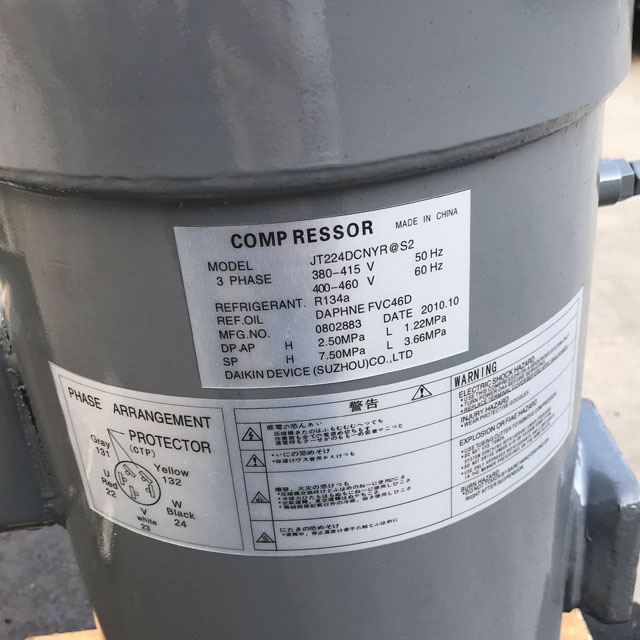
The compressor market in Germany has recently experienced notable price fluctuations, reflecting broader dynamics within the industrial manufacturing sector. As companies across various industries—ranging from automotive to refrigeration and HVAC—rely heavily on compressors for efficient operation, understanding these price trends is essential for stakeholders seeking to optimize procurement and anticipate market movements.
### Current Price Trends in the Germany Compressor Market
Recent analyses indicate that the prices of compressors in Germany have seen a gradual increase over the past months. Several factors contribute to this trend, including rising raw material costs, supply chain disruptions, and heightened demand for energy-efficient and environmentally friendly compressor models.
Raw materials such as steel and aluminum, essential components in compressor manufacturing, have experienced cost escalations due to global supply shortages and increased demand. Additionally, the semiconductor shortage continues to impact production timelines and costs for compressors equipped with advanced electronic controls.
Logistics challenges, exacerbated by global geopolitical tensions and pandemic-related disruptions, have further influenced price adjustments. Shipping delays and increased transportation costs have been passed down the supply chain, affecting final pricing.
On the demand side, growing industrial automation and the push toward green technologies have led companies to invest in compressors that offer superior energy efficiency and reduced environmental impact. These advanced compressors often command premium prices due to their sophisticated design and compliance with stringent European regulations.
### Impact on Key Industrial Sectors
Germany's manufacturing powerhouse, known for automotive, machinery, and chemical industries, depends heavily on high-performance compressors. The price shifts directly affect production budgets and investment strategies within these sectors.
Automotive manufacturing, in particular, relies on compressors for various processes, including painting, cooling, and pneumatic system operations. An uptick in compressor prices may translate into increased vehicle production costs, which could influence pricing strategies or delay investments in capacity expansion.
In the refrigeration and HVAC industries, compressors are vital for efficient temperature control systems. As consumers and businesses prioritize sustainability, demand for compressors that utilize eco-friendly refrigerants and consume less energy has surged, sustaining price levels despite broader economic uncertainties.
### Company Overview: Industry Leadership and Innovation
Germany's compressor industry is distinguished by companies that combine engineering excellence with innovative approaches to meet evolving market needs. Leading manufacturers emphasize research and development, focusing on enhancing compressor efficiency, reducing noise levels, and complying with environmental standards.
These companies maintain robust global supply chains and customer service networks, enabling them to deliver tailored solutions across diverse sectors. Their product portfolios include a wide range of compressors, from compact units for small-scale applications to large industrial compressors engineered to support heavy-duty operations.
Sustainability is a central theme in the industry’s innovation efforts. Manufacturers invest in developing compressors that reduce energy consumption, minimize emissions, and incorporate recyclable materials. Additionally, digitization and smart technologies have become integral, with compressors increasingly equipped with sensors and IoT capabilities for predictive maintenance and performance optimization.
### Future Outlook and Market Opportunities
Looking ahead, the Germany compressor market is expected to navigate ongoing challenges related to raw material availability and geopolitical factors. However, opportunities abound in areas such as renewable energy integration, electric vehicle production, and smart manufacturing.
Companies positioning themselves at the forefront of technological advancement and sustainability are likely to capitalize on emerging demands. The integration of AI-driven controls, enhanced durability, and modular designs will play critical roles in shaping the next generation of compressors.
Furthermore, collaboration between manufacturers and end-users is anticipated to deepen, fostering customized solutions that address specific operational needs and regulatory requirements. This trend aligns with the increasing importance of flexibility and responsiveness in industrial supply chains.
### Conclusion
The upward trajectory in compressor prices in Germany reflects a complex interplay of supply and demand factors, raw material costs, and evolving industry standards. As manufacturing sectors adapt to these changes, the emphasis on energy efficiency, sustainability, and technological innovation becomes ever more pronounced.
Through continuous innovation and strategic responsiveness, German compressor manufacturers and their partners are well-positioned to meet the challenges and harness the opportunities of a dynamic market landscape. Stakeholders are advised to monitor these developments closely, balancing cost considerations with the need for advanced, reliable compressor technologies that support long-term industrial growth.
---
*This news overview is based on current market observations and company insights within the Germany compressor industry, reflecting trends as of mid-2024.*